
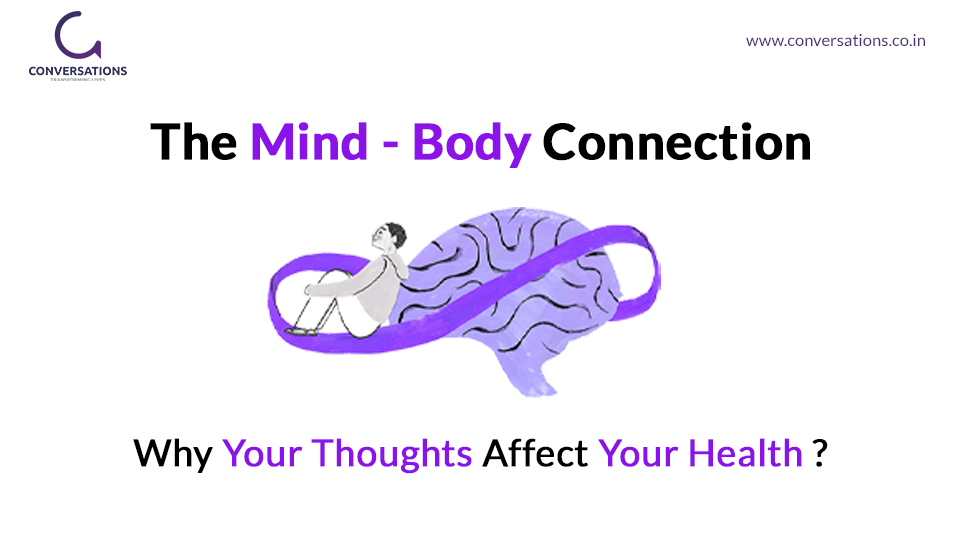
Have you ever noticed that a stressful day gives you a headache, or that something pleasant immediately makes you feel better? It is not a coincidence, but the mind-body connection is at work. Thought is not merely a mental concept, but it is a biological manifestation with potent effects on the material well-being of your body.
In the modern world that operates at a rapid pace, we tend to enjoy dissociating mental health from physical health. We count calories, steps, and lab reports, but we do not pay attention to the emotional patterns that guide our bodies. The fact is: your mind and body are in constant communication, and it affects all aspects of your body, including your immune system and your heart condition. Read on to explore how this connection works and how you can use it to improve your overall well-being.
What Is the Mind-Body Connection?
Mind-body connection is defined as the two-way flow between your mental condition (thinking, emotions, beliefs, etc ) and your physical condition.
All your thoughts pass signals through your brain, nerves, and hormones. These are signals that influence the workings of your body: your heart rate, your digestion, your immunity, and even your healing rate.
Simple Everyday Examples:
- Feeling anxious before a presentation → sweaty palms, racing heart
- Chronic stress → high blood pressure or fatigue
- Positive emotions → better energy and faster recovery
It is not merely philosophy, but supported by other disciplines, such as neuroscience, psychology, psychoneuroimmunology, a discipline on the influence of thoughts on immunity and well-being in general.
The Science Behind Thoughts and Health
To actually see how your mind influences your health, consider the science that links your mind and body.
1. The Nervous System Response
The nervous system is how your brain is in touch with the rest of your body. Your body will react to stress or fear through the fight-or-flight reaction.
This leads to:
- Increased heart rate
- Muscle tension
- Rapid breathing
- Elevated blood pressure
Although this reaction is helpful in the short spurts, continued stimulation may harm your body in the long run.
2. Hormones: The Chemical Communicators
Hormone release is dependent on your thoughts. Cortisol and adrenaline are hormones that are released by negative thinking and stress.
When these stay elevated:
- Immunity weakens
- Weight gain increases
- Blood sugar rises
- Sleep quality drops
Contrarily, positive thinking triggers dopamine, serotonin, as well as endorphins- the feel-good chemicals which induce relaxation and healing.
3. The Immune System Link
The way your immune system functions is not independent; this is a system that hears your mind. Chronic stress, anxiety, or depression can:
- Reduce immune efficiency
- Increase inflammation
- Slow down healing
This is the reason why individuals who are stressed experience easier falls or delayed recovery.
The Impact of Negative Thoughts on Your Body
Feeling honest, negative thinking occurs in every one of us. However, once it has become a habit, it is capable of corroding your health unknowingly.
The effect of having a negative mindset:
- Weakens immunity
- Rises the risk of heart disease
- Disrupts sleep patterns
- Leads to digestive issues
It also influences behavior. When you are mentally tired, you tend to:
- Skip exercise
- Eat unhealthy foods
- Avoid social interaction
- Depend on alcohol or smoking
This creates a negative cycle, where poor mental health leads to poor physical health and vice versa.
The Power of Positive Thinking
Positive thinking does not consist of not seeing problems. It is a matter of adopting a mentality that allows one to be resilient, develop, and achieve a balanced state.
The advantages of positive thinking are as follows:
- Lower stress levels
- Improved immune function
- Better heart health
- Earlier recuperation in case of illness
- Increased lifespan
A calm and positive body in mind will enter the rest-and-repair mode, and healing will occur naturally. Positive emotions also release:
- Endorphins → reduce pain
- Oxytocin → improves bonding and reduces stress
- Serotonin → stabilizes mood
How to Strengthen the Mind-Body Connection
The good news? Simple, regular practices can help you to become more active in terms of your mind-body connection.
1. Mindfulness and Meditation
Even 10-15 minutes of meditation a day can relax your nervous system and decrease stress hormones. It assists you in noticing how you think and not being overridden.
2. Move Your Body Regularly
Exercise releases endorphins, reduces anxiety, and improves mood. Activities like walking, yoga, or stretching work wonders.
3. Prioritize Quality Sleep
Your brain and body heal themselves when you are asleep. Sleep deprivation augments stress hormones and immunity.
4. Eat for Your Mind and Body
A well-balanced diet with high levels of omega-3s, vitamins, and antioxidants promotes brain activity and emotional stability.
5. Manage Stress Proactively
Mental overload can be minimized by deep breathing, journaling, or just taking breaks.
6. Develop Close Social Relations
Connection with a human being minimizes stress and enhances emotional satisfaction. Converse, communicate, and remain in touch.
7. Seek Professional Help When Needed
Therapy or counseling is not a weakness; it’s a powerful step toward healing.
Small Daily Habits That Make a Big Difference
The following are easy habits that make a long-lasting impression:
- Limit Screen Time: Reduce the time you spend on screens, particularly in bedtime to minimize mental clutter, focus more, and have a better quality of sleep.
- Workout During Breaks: Take short frequent breaks at work to refresh your mind, avoid burnout and ensure steady productivity throughout the day.
- Practice Hobbies: Do what makes you really happy because it not only fosters your creativity, but also reduces stress and gives you fulfillment to your daily routine.
- Perform Deep Breathing: Work on deep breathing exercises, which allow you to soothe your nervous system, reduce stress, and get your mind in the present moment.
Conclusion
The mind and body are deeply connected, constantly influencing each other in ways we often overlook. Your thoughts shape your physical health, either strengthening your body or silently straining it.
A positive attitude towards work and a healthy mind will provide a solid base of wellness by adopting neutrality and proper care of the mind. Even small and regular changes can result in permanent change. Ultimately, a healthy body is actually created through a healthy mind.